


We've been leading the charge for more than 20 years. So that today you can choose from an array of Toyota electrified vehicles and powertrains, and find the right one for you.
Pickering Toyota
At Pickering Toyota, we believe that different mobility needs require different mobility solutions. That's why we're investing in a range of electrified technologies.

HEVs seamlessly combine the power of a gas engine with electric motors. And because the hybrid battery recharges on the go, you never need to plug in.
Learn About Hybrid Electric Vehicles
PHEVs operate in the same way as HEVs, but can optionally be plugged in for extended electric-only range.
Learn About Plug-in Hybrid Electric Vehicles
BEVs are zero-emission vehicles that are powered by electricity alone. BEVs require plugging-in, while also utilizing regenerative braking to recharge the onboard battery as you drive.
Learn About Battery Electric VehiclesBenefits
Better performance, less expensive to operate and maintain, and a reduction in greenhouse gas emissions. What more could you want!

Hybrid electric powertrains work automatically in the background, so you don't need to change a thing about how you drive or fuel your vehicle.

The hybrid battery recharges on the go so you have the added confidence to get you where you need to go, without the need to plug in.

The electric motors deliver Instant torque for instant acceleration and a soothingly quiet ride.

Hybrid electric powertrains work automatically in the background, so you don't need to change a thing about how you drive or fuel your vehicle.

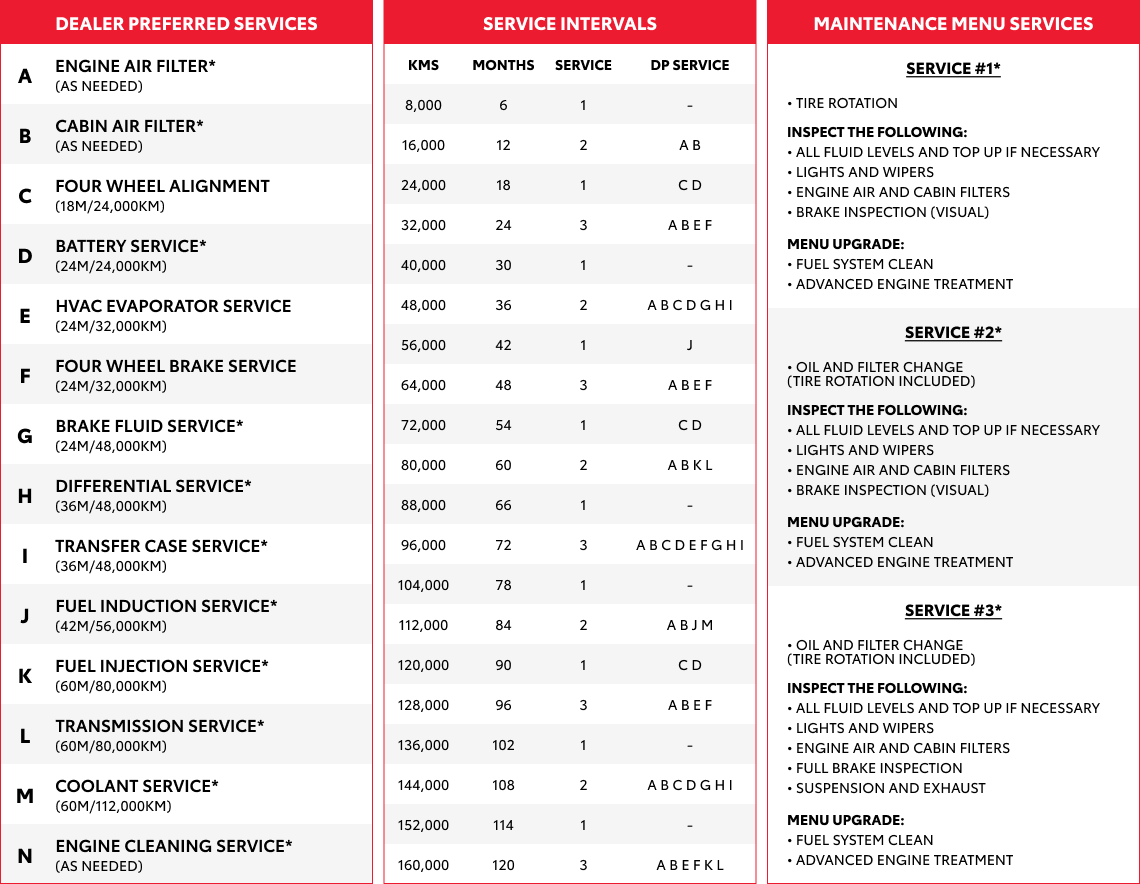
Toyota hybrid electric vehicles follow the same maintenance schedule as our gas-powered vehicles.

Since 1997, electrified Toyota vehicles have prevented over 94 million tons of CO2 emissions globally.
How It Works
HEVs combine a gas engine with electric motors, automatically choosing the optimal source and blend of power. Because the hybrid battery recharges on the go through regenerative braking, you never need to plug-in.

In most conditions, only the electric motor is engaged, saving fuel and delivering instant torque with minimal emissions.

The gas engine and electric motor team up to provide the ideal mix of power for seamless acceleration. Excess energy is used to help recharge the battery.

The electric motor takes over. The regenerative braking system converts braking energy into electric energy to help recharge the battery onboard the vehicle.

When stopped, the gas engine shuts down to conserve fuel – unless the battery is running low. When reversing at low speed, only the electric motor is required.

Instant torque means instant acceleration. With no transmission and no gears, the drive is exceptionally smooth. With electric motors, you'll also notice a world of quiet.

Modern BEVs can travel further than you may realize. Toyota's bZ, for example, has an estimated range of up to 406km for front wheel drive models on a full charge**. With more than 5,000 public charging stations across the country, it is easy to re-charge along the way.
Reducing CO2 emissions by going fully electric is one way we can help lessen greenhouse gasses, and lessen our impact on the environment.

Electricity is cheaper than gas. Savings can be even higher if you recharge during off-peak hours.
Say good-bye to oil changes. With no engine or transmission, BEV's have fewer mechanical parts. That could help add up to a lower cost of ownership, including service and maintenance costs.

The federal government's iZEV program offers an incentive of up to $5,000 for the purchase of a zero emission vehicle. Visit Transport Canada to learn more.
How BEV Works
In place of an internal combustion engine, BEVs are powered by a large battery pack and high-output electric motors. Because it runs on electricity alone, BEVs emit no exhaust from the tailpipe. BEV batteries are recharged to some degree as you drive, largely through regenerative braking. However, BEVs must be plugged into a wall outlet or charging equipment to achieve a full charge in order to deliver the full benefits of their electric-only operation.

VEHICLE Lineup
From compact sedan to full-size pickup, we offer electrified vehicles to help power your lifestyle.
Charging
Charging a BEV is simple. Just plug it in. At home, at work, or at any public charging station. Charging times will vary depending on whether you are using Level 1, 2 or 3 charging.

Charge your BEV using a standard 120-volt AC wall socket. The slowest way to charge, it can also be the most convenient and requires no special equipment.
A 240-volt AC outlet can cut BEV charging times in half. Install one at home, or charge up at any Level 2 public station.
Direct Current (DC) Chargers (480V+) are currently the fastest method of charging your vehicle. Canada has more than 5,000 public charging stations – 500 of which are Level 3 fast chargers.
Different Charger Types

120-volt AC Outlet
BEV PHEV
A great pick for drivers with short commutes. You can charge anywhere there is a common household 3-prong outlet.

240-Volt AC Outlet
BEV PHEV
The best setup for faster charging at home. You'll find Level 2 chargers at public charging stations nationwide1. Can be installed at home by a licensed electrician4.
 Learn more about the ChargePoint Level 2 Home Charger

480-volt DC Fast Charging
BEV PHEV
Under ideal conditions, it can be the quickest way to charge up on the go2. Currently only available at select public charging stations3.

Charging at Home
Installing a dedicated Level 2 charger at your residence can make a lot of sense, especially for BEV owners. These chargers use a 240-volt outlet, the same amount of power used by home appliances like a stove, or HVAC equipment.
There are a number of factors to consider before installing a Level 2 charger. For example, the best location, the type of connector, the length of cord, permanent or portable installation, and amperage.
It is highly recommended that you speak to a certified installer about requirements, including the right plug head, and installation costs. And be sure to check if there are any government rebates in your area for the installation4 of a home charger.
*Disclaimer Learn more about the ChargePoint Level 2 Home Charger Learn About Federal Rebates for Home Chargers
Public Charging Locations
Canada has more than 5,000 public charging stations. Most are Level 2. However, there is a growing network of Level 3 fast chargers. The Transport Canada website makes it easy to locate a charger near you.
Locate Charging Points Using Transport CanadaWarranty
Toyota hybrid electric vehicles are built with the same dedication to quality that you expect from Toyota. Which is why they come with the same basic warranty as every Toyota vehicle, backed up with additional Limited Warranty Coverages.
8 Years
or
160,000 km
Hybrid Component Warranty*
10 Years
or
240,000 km
Hybrid Battery Warranty*
* Whichever comes first. See Owner's Manual Supplement or ask your Dealer for details.
A hybrid electric vehicle (HEV) seamlessly combines the power of a gas engine with the efficiency of electric motors. The battery is recharged while you drive so it's always ready to go without ever needing to be plugged in.
A plug-in hybrid electric vehicle (PHEV) seamlessly combines the power of a gas engine with the efficiency of electric motors. While the hybrid battery recharges on the go, to get the full benefit of a plug-in – including increased electric-only driving range – the vehicle needs to be recharged from the power grid.
A battery electric vehicle (BEV) is powered entirely by a battery and single or dual electric motors. Like all electric vehicles, BEVs can also recharge their batteries to a limited degree through regenerative braking. To achieve a full charge, BEVs need to be plugged in.
Toyota's hybrid electric systems are designed and tested for Canada just like any Toyota vehicle, and adhere to Canada Motor Vehicle Safety Standards. HEVs, PHEVs and BEVs cause no greater concern for passengers or rescuers in the event of a collision than non-hybrid vehicles. The batteries are sealed in a protective metal case and insulated from the vehicle body. Additionally, hybrid electric battery cables are shrouded in bright-orange cladding as a warning to emergency workers, and Toyota works closely with first responders to provide information and material for training on how to work with hybrid electrics.
Not only do Toyota hybrid electric vehicles follow the same maintenance schedule of every 6 months or 8,000 KM (whichever comes first), but the way the hybrid electric system works may reduce how often other areas of the car need servicing. Depending upon how the vehicle is driven, in a hybrid electric, the engines are off some of the time, the brakes are regenerative, saving pad & rotor life, there is no transmission fluid under load, and there are no starters, alternators or belts to be replaced.
Drive a Toyota hybrid electric vehicle like you would any typical conventionally-powered vehicle. Toyota's Hybrid Synergy Drive system works seamlessly in the background, optimizing the combination of gas and electric power as you drive. Fueling a Toyota hybrid electric vehicle is identical to fueling a conventional gasoline-powered vehicle; you do not need to plug it in. Plug-in hybrid electric vehicles offer the benefits of a hybrid electric, with the option to plug the vehicle in for extended electric-only range.