

Nov 05, 2026
Share on:

Toyota vehicles are known for reliability, but long-term dependability does not happen by accident. Good engineering matters. So does regular maintenance. Oil changes, brake inspections, tire care and fluid checks help your vehicle perform safely and reliably over time.
THE QUICK ANSWER
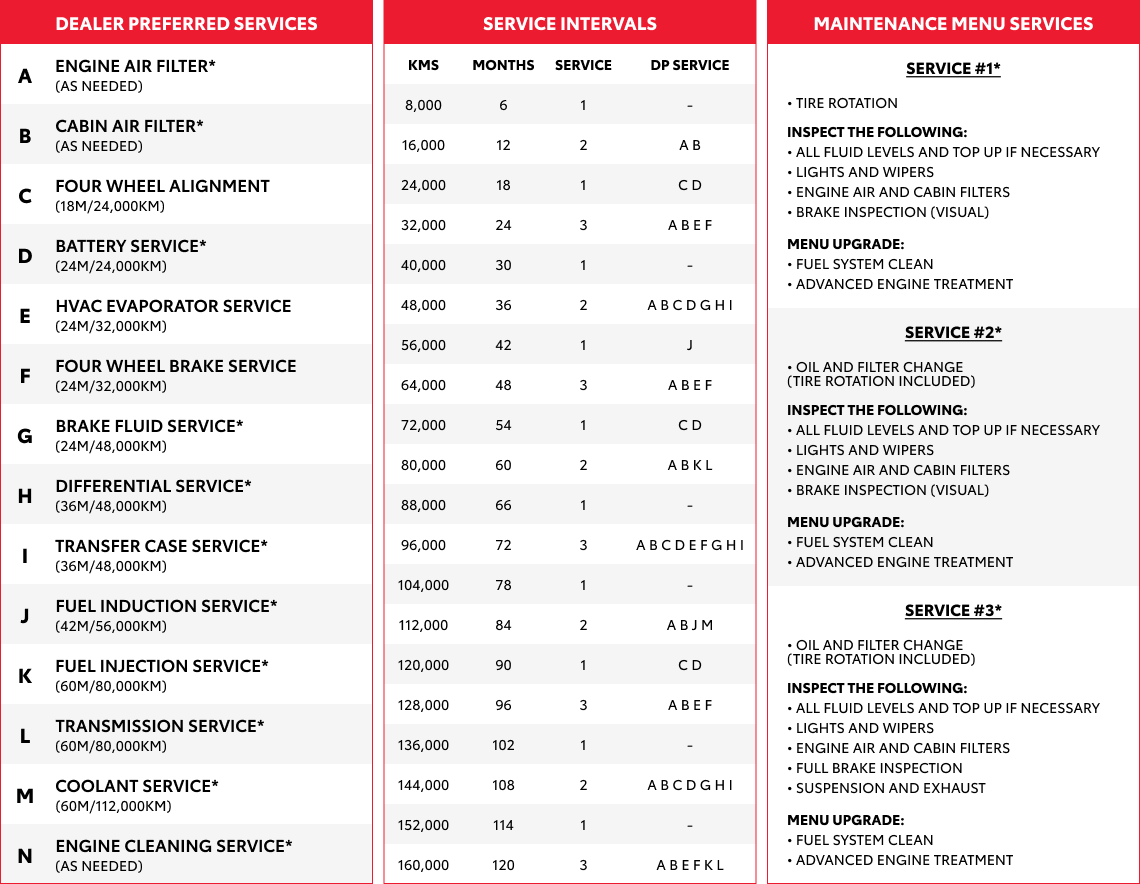
Regular Toyota service helps protect your safety, catch problems early, support proper maintenance records and preserve your vehicle’s value. Pickering Toyota’s dealer-preferred schedule uses a 6-month or 8,000-km service interval as a general guide. Your exact maintenance needs depend on your model, driving conditions and Toyota’s schedule for your vehicle.
There are four main reasons to keep up with maintenance: safety, reliability, warranty records and resale value.
Brakes, tires, steering and suspension parts wear down gradually. You may not notice the change while driving. Regular inspections help identify worn brake pads, damaged tires, low tread, steering concerns and suspension problems before they become more serious.
Modern Toyota vehicles may also use cameras, radar and sensors for driver-assistance features. Keeping the vehicle maintained and following any required inspection or calibration procedures helps these systems work as intended. Learn more about Toyota’s Safety Technology through Pickering Toyota.
A small issue can become a larger repair if it is ignored. Low coolant can contribute to overheating. Worn brake pads can damage rotors. Old or damaged wiper blades can reduce visibility in heavy rain or snow. Routine inspections give technicians a chance to identify concerns before they grow.
Keeping dated service records makes it easier to show that your vehicle has been maintained. Follow the maintenance schedule in your owner’s manual and keep copies of invoices and inspection reports. Warranty coverage is subject to the terms and conditions in your Toyota warranty booklet; servicing at a dealership is not automatically required for every warranty to remain valid.
A complete maintenance history gives a future buyer or appraiser a clearer picture of how the vehicle has been cared for. It cannot guarantee a higher price, but it can help build confidence when it is time to sell or trade in your Toyota.
A useful general guide in Pickering Toyota’s dealer-preferred maintenance schedule is every 6 months or 8,000 km, whichever comes first. Your vehicle’s exact schedule can vary by model, model year, engine and driving conditions. Always check your owner’s manual or confirm the correct interval with your service advisor.
The time limit matters even if you do not drive many kilometres. Short trips, cold starts and long periods without driving can still affect fluids, batteries, tires and other components.
| General Interval | Typical Service Items |
|---|---|
| 6 months or 8,000 km | Multi-point inspection, brake check, tire rotation or seasonal tire changeover, and fluid checks. |
| 12 months or 16,000 km | Inspection items, plus engine oil and filter replacement when due for your vehicle. |
| 18 months or 24,000 km | Repeat the applicable inspection and maintenance items. |
| 24 months or 32,000 km | A more detailed brake inspection may be included, based on the vehicle’s schedule. |
| Later visits | Additional fluids, filters and inspections may be required as the vehicle ages and mileage increases. |
This table is a general overview, not a substitute for your vehicle’s maintenance schedule. Your service advisor can confirm which items are due.
Drivers in Pickering, Ajax, Whitby, Oshawa and across the GTA deal with road salt, potholes, freezing temperatures, rain and stop-and-go traffic. Each season brings different maintenance priorities.
Cold weather puts extra demand on your battery. Snow and ice make tire condition especially important, while road salt can contribute to corrosion on exposed components. Before winter, consider a battery test, brake inspection, tire check, fluid check and wiper inspection.
Explore Pickering Toyota’s service offers and Tire Centre and tire services before the seasonal rush.
After winter, have your tires, brakes, suspension and alignment checked if you notice unusual wear, vibration or pulling. Washing away accumulated road salt can also help keep the vehicle clean.
High temperatures and long road trips can put extra demand on the cooling system, air conditioning, tires and battery. Check tire pressure and have any leaks, warning lights or unusual noises inspected before a long trip.
Fall is a good time to check the battery, heater, defroster, wipers, tires and fluid levels. Book seasonal tire service early so you are not waiting until the first snowfall.
The most important thing is that your Toyota receives the maintenance it needs and that the work is completed correctly. A Toyota dealership offers access to Toyota-specific training, diagnostic information, equipment and parts.
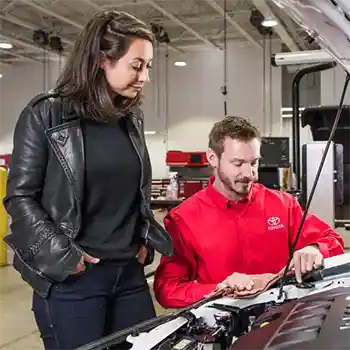
Technicians who work with Toyota vehicles regularly can use Toyota diagnostic tools and service information to help assess vehicle-specific concerns. Pickering Toyota’s service team can review the maintenance items due for your model and explain any recommended work.
To arrange an appointment, visit the Pickering Toyota Service Centre.
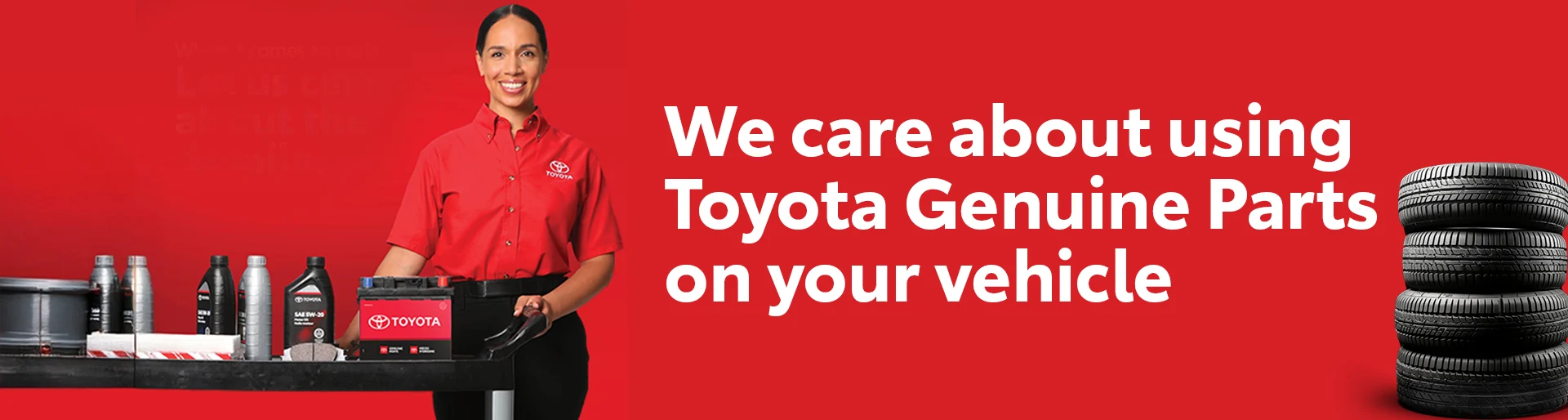
Toyota Genuine Parts are designed for Toyota vehicles and built to meet Toyota specifications. Using the correct part helps support fit and function. Ask your service advisor which parts are recommended for your vehicle and what warranty applies.
Explore Toyota Genuine Parts and Accessories at Pickering Toyota.
Ask your service advisor to check whether any open recalls or service campaigns apply to your vehicle. Recall repairs are handled according to Toyota’s recall process. Do not assume every software update or campaign is automatically completed during every routine visit.
Hybrid vehicles still need many familiar maintenance items, including tire rotations, brake inspections, cabin filters and checks of applicable fluids and systems. The engine in a hybrid also requires maintenance according to its schedule.
Battery-electric vehicles do not need engine oil changes, but they still need tire, brake, cabin-filter, suspension and other inspections. High-voltage systems should only be serviced by appropriately trained technicians. Follow the maintenance schedule for your specific model.
Do not wait for your next scheduled visit if you notice any of these warning signs:
If a warning light is flashing, the vehicle is overheating, braking feels unsafe or you notice another urgent problem, stop driving when it is safe to do so and seek professional advice.
Skipping maintenance may seem like a way to save money, but it can allow wear and small problems to go unnoticed. Worn brake pads can damage other brake components. Neglected fluids can affect important systems. Underinflated or worn tires can reduce handling and traction.
There is no single repair cost for missed maintenance. The cost depends on the vehicle, the issue and how long it has been developing. Keeping to the correct schedule is a practical way to reduce avoidable wear and help your Toyota stay road-ready.
A general Pickering Toyota dealer-preferred interval is every 6 months or 8,000 km, whichever comes first. Your exact schedule depends on your model and driving conditions, so check your owner’s manual or ask your service advisor.
Not necessarily. Follow the maintenance requirements in your warranty booklet and keep detailed records of all maintenance and repairs. Ask Toyota or your service advisor if you are unsure about a specific warranty requirement.
Timing depends on the vehicle, the work required and how busy the service department is. During peak spring and fall tire-change periods, Pickering Toyota advises customers to plan to leave their vehicle because waits can exceed three hours.
Yes. Hybrids still need scheduled inspections and maintenance. The exact items depend on the model and its maintenance schedule.
Yes. Battery-electric vehicles still need tire, brake, cabin-filter, suspension and system checks, even though they do not need engine oil changes.
Toyota Genuine Parts are designed for Toyota vehicles and built to Toyota specifications. Ask about the correct part for your model and the applicable warranty.
A common guideline is to consider winter tires when temperatures are consistently below about 7°C. Tire needs and timing depend on conditions, tire type and your driving routine.
Yes. Use the Pickering Toyota Service Centre page to start booking, or call the service department at 905-420-5788.
Regular maintenance helps you stay ahead of wear, prepare for Ontario’s changing seasons and keep a clear record of your vehicle’s care. Whether you drive a Corolla, RAV4, Camry, Tacoma, Toyota hybrid or another model, Pickering Toyota can help you review the maintenance items due for your vehicle.
Book online: Schedule service with Pickering Toyota
Service Department: 905-420-5788
Parts Department: 905-420-1411
Address: 557 Kingston Road, Pickering, ON L1V 3N7
Service Hours: Monday, Tuesday, Thursday and Friday: 7:30 a.m.–6:00 p.m.; Wednesday: 7:30 a.m.–7:00 p.m.; Saturday: 8:00 a.m.–3:00 p.m.
You can also review current Toyota service offers before booking.
Share with the community
Read More
Related Blogs
Subscribe to our newsletter
$ + (HST / Licensing)
payments of
$
Rate(%)
%
Payment Frequency
Vehicle Price
$
Due on Delivery
$
Total Annual KM
payments of
$
Rate(%)
%
Payment Frequency
Vehicle Price
$
Due on Delivery
$
$
From $54,985.08

EXPLORE Crown
The 2024 Toyota Crown features bold styling and an elevated ride height to redefine the sedan in two hybrid powertrain options. Our Toyota Hybrid System delivers a comfortable, highly efficient ride, while the HYBRID MAX electrified powertrain is designed to take its power and performance to the next level. Intelligent features abound, including the Toyota Multimedia System and Toyota Safety Sense 3.0. Available in Limited and Platinum grades, with standard electronic on-demand all-wheel-drive system. The Toyota Crown is ready to take you on a breath-taking ride.


Installed Price
The Toyota Genuine Dash Camera is designed to provide a safe and memorable driving experience in your Toyota vehicle.
Safelyecord the on-goings of the open road while keeping your eyes on driving. Capture every adventure! The Toyota Genuine Dash Camera will also allow you to record the surroundings of your vehicle while it is parked.

Engine
Manual OR Automatic Transmission / Transaxle
Front / Rear Wheel Drive
Four Wheel Drive (4WD)
Cooling System
Fuel System
Front / Rear Suspension
Steering
Air Conditioning & Heating (Original equipment or Manufacturer's Approved Kits only).
Brake System
Electrical System
High Tech Factory Installed
All sensors, all computers
Body Interior
Body Hardware
Seals & Gasket / Fluids & Filters
Hybrid Components (For Hybrid vehicles only)
Toyota Extra Care Protection plans for new vehicles do not cover maintenance items such as but not limited to: bulbs, trim, mouldings, glass, lenses, paint, exhaust system, brake pads, linings, upholstery, etc. These items are considered to be ongoing maintenance items and are the responsibility of the vehicle owner.
Parts not covered are: all glass (mirrors, heated windshields and rear windows with defroster), fog lamps, lenses, sealed beams, lamps, light bulbs, tires (with the exception of ECP Road Hazard Coverage), wheels or wheel studs, trim, seat frames, convertible top, mouldings, weather-strips, bright metal, sheet metal, body parts (including frame), bumpers, upholstery, carpet, paint, brake rotors and drums, brake linings and pads, batteries and cables, manual clutch disc lining, pressure plate and bushings, throw-out bearings, catalytic converter (which may be covered by Emissions Control Systems Warranties), exhaust system, non-manufacturer installed accessories
In addition, maintenance services and parts; including all lubricants and filters, belts and hoses, wheel balancing or alignment, any adjustments for air and water leaks, wind noise, squeaks and rattles as well as alignment of bumpers, sheet metal, and body parts are not covered.
Toyota Road Hazard Protection covers the expenses involved in repairing or replacing a flat tire or wheel (purchased and installed at a Canadian Toyota Dealership) caused by covered road hazards. A valid road hazard is defined as and limited to: potholes, cracks in pavement, nails, screws, bolts, glass, rocks and other debris found on a public roadway. Includes winter tires.
Eligible Expenses May Include:
Tire/wheel repair or replacement
Labour
Valve Stem
Balancing
Towings
Food & Lodging
Roadside Assistance
Vehicle rental assistance
Provincial tire levy and taxes
Tire must have more than 3/32" tread life remaining. If the tire cannot be safely repaired to industry standard then the program will cover the cost of a replacement tire identical to the original tire, or of like kind and quality if the original tire is no longer available.

Protect yourself against unexpected excess wear and tear charges on your leased Toyota with the available Wear Pass plan. Designed for protection against damage beyond what is considered normal everyday use, the Wear Pass plan ensures that you do not face extra charges at lease end.
Invest in peace of mind with the Toyota Financial Services Wear Pass Plan. Now you don't have to worry along the way when the odd door ding, windshield chip, or rim scuff happens during your lease.